


Key points
Using a fuel card the right way can cut your cost per litre, clean up your admin and give you better visibility over every trip. This guide breaks down six practical ways Australian businesses can save more with fuel cards in 2026.
Running vehicles in Australia is only getting more expensive, but a well‑chosen fuel card can help you claw back savings on every litre and every invoice. In 2026, the biggest wins come from combining discounts with controls, smarter routes and better use of your data.
This guide walks through six practical ways Australian sole traders and SMEs can save money using fuel cards this year, without adding more admin or complexity.
1. Lock in better fuel prices with discounts
The most obvious way a fuel card saves you money is at the pump, through cents‑per‑litre discounts, negotiated rates or special introductory offers.
Many business fuel cards in Australia offer a combination of fixed cpl discounts, volume‑based pricing or time‑limited promos for new customers, especially when you apply through business channels or specialist comparison sites.
To get the most from this:
- Focus on the effective price per litre over a full year, not just a flashy intro discount that disappears after a few months.
- Consolidate as much of your fuel spend as you reasonably can onto one main fuel card, because higher volumes often give you more negotiating power or access to better tiers.
Even a modest discount can add up quickly once you multiply it by your monthly litres, especially for trades, transport or regional businesses that are on the road most days.
2. Stack rewards and loyalty programs on top of price savings
On top of pump savings, many fuel cards let you earn loyalty points such as Flybuys with Shell Card, Qantas Points with BP Plus, Everyday Rewards with AmpolCard, or Velocity points with 7‑Eleven, whenever you fill up at participating locations
The trick here is to treat rewards as an extra – you still want a competitive fuel price first – then stack points on top to squeeze extra value out of the same spend.
To maximise loyalty value:
- Link your fuel card to the relevant loyalty account, then make sure drivers know which brands and sites actually earn points.
- Have a simple plan for how you’ll redeem points – for example, gift cards, travel, office supplies or staff rewards that offset real business costs rather than “nice‑to‑have” purchases.
Over a full year, especially for businesses doing consistent kilometres, those points can add up to a meaningful rebate if you actively use them.
We have a full article on the fuel cards with the best rewards & value here.
3. Tighten card controls to stop overspend and misuse
Good controls are one of the least glamorous but most powerful ways to save with a fuel card, because they prevent bad spend before it ever hits your account. In 2026, most business fuel cards let you adjust product, spend and time‑of‑day settings in an online portal or via your account manager.
Here are simple, high‑impact settings almost any small business can use:
- Fuel‑only and correct fuel type. Set most cards to fuel only, with shop and other non‑fuel items disabled by default, so you’re not paying for snacks, drinks or random purchases. Lock each card to the right fuel type for its vehicle (diesel vs unleaded) so premium or incompatible fuels can’t be purchased unless you purposefully allow it.
- Sensible spend limits. Base your daily or weekly limits on the tank size and normal kilometres for each vehicle or driver, not on guesswork.
These caps make it harder for anyone to run up big charges quickly and help unusual patterns stand out in your reports. - Time‑of‑day and security basics. Where your provider allows it, restrict card use to normal work hours or specific shifts, so late‑night or weekend fills either get blocked or show up clearly as exceptions. Use unique PINs and assign cards to known drivers or vehicles, then cancel them promptly when someone leaves or a card goes missing.
With these controls in place, a large chunk of overspend and fraud simply never gets the chance to happen.
4. Cut admin time with consolidated invoicing and accounting integrations
Admin time is a hidden fuel cost, and fuel cards can save you a surprising amount here if you use their invoicing and integration features properly.
Instead of chasing paper receipts from drivers or digging through bank statements, you get a single, itemised tax invoice for all fuel card spend, often broken down by card, vehicle or cost centre.
Many Australian fuel cards now integrate with common accounting tools like Xero, MYOB or QuickBooks, so transaction data flows straight into your ledger without double‑handling.
That means:
- Fewer manual entries and less chance of data entry errors.
- Faster bank reconciliations and BAS prep.
- Better visibility of fuel costs by job, branch or vehicle group.
For a busy business owner or accounts team, even saving a couple of hours a month on fuel admin is worth real money over a year.
5. Optimise routes and refuelling habits to use less fuel
A fuel card doesn’t just help you pay less per litre; it can also help you burn fewer litres in the first place. Because fuel card data shows where and when each fill happens, you can use it to spot inefficient routes and habits that waste fuel. There are three ways to do this:
- Plan routes around preferred networks. If your discount or loyalty earn is tied to certain brands, tweak your regular runs so drivers naturally pass those sites without unnecessary detours. This helps you capture the best rate more often without adding extra kilometres or driver time.
- Coach better driving habits. Combine fuel card data with odometer readings or basic telematics to see which vehicles or routes are using more litres than expected. Then use that insight to coach drivers on simple changes like reducing idling, avoiding harsh acceleration and combining trips where possible.
- Spot thirsty vehicles and maintenance issues. When one vehicle’s litres per 100km are consistently higher than others doing similar work, it may be a sign of mechanical issues, poor tyres or that it’s simply the wrong vehicle for that job. Fuel card reporting helps you see patterns early so you can service, reassign or even replace problem vehicles before costs blow out.
Together, these small tweaks can easily rival your raw cents‑per‑litre saving over a full year of driving.
6. Use your fuel card data to negotiate and right‑size your setup
If you’ve been using a fuel card for a while, you’re probably sitting on a goldmine of data you can use to improve your deal or refine your setup. Over 6–12 months, your transaction history will show total litres, spend, average cpl and which parts of your fleet or routes drive most of your fuel usage.You can use that information to:
- Negotiate rates and fees. When you can clearly show your volumes by month and by site, it’s easier to have a conversation with your provider about discounts or fee waivers, especially if your usage has grown.
- Cancel or consolidate under‑used cards. Your reports will highlight cards that barely get used, which might be candidates to cancel or reassign, reducing per‑card fees and shrink‑the‑fleet admin.
- Check you’re still on the right product. As your business changes, the card that suited you two years ago might not be the best fit anymore, particularly if your routes or vehicle types have shifted. A periodic “fuel card health check” – using your own data – can highlight whether another tier or card type might better match your current litres, locations and reward needs.
Building this into your annual budgeting or renewal cycle ensures your fuel card keeps working for you, rather than eroding value as your usage pattern drifts.
How to choose the right fuel card to unlock these savings
Not every fuel card offers the same mix of discounts, network coverage, rewards, controls and integrations, so the “best” option depends heavily on how and where your business actually drives. As a rule of thumb, when comparing cards in 2026, look at:
- Your average monthly litres and whether discounts improve with volume.
- The network your vehicles already use most (brands and regions).
- The importance of rewards, card controls, accounting integrations and any extras like tolls or maintenance.
Once you know your priorities, using a specialist comparison site and a quick eligibility or quote check can help you shortlist cards that fit your volume, locations and business structure.
2026 fuel card discounts compared
| Fuel Card | Network | Typical Discount | Card Fee | Rewards |
| FleetCard 🔥 | 6,200+ stations across Australia (multi-brand) | 3–4c per litre ongoing, promos up to 6c | $5.99 | None |
| WEX Motorpass 🔥 | 6,000+ stations, multi-brand including independents | 2–4c per litre depending on volume | $5.99 | None |
| Shell Card 🔥 | 1,500 Shell stations | Up to 6c during promotions, 2–4c ongoing | $2.50 | Earn Flybuys points |
| BP Plus | 1,400+ BP sites | 2–4c per litre, up to 6c during promos | $2.95–$4.95 | Earn Qantas Business Rewards |
| AmpolCard | 2,000+ Ampol sites | 4c per litre (premium fuels sometimes higher) | $2.95 | Earn Everyday Rewards |
| 7-Eleven Fuel Card | 640+ 7-Eleven stations | 2c ongoing, 6–8c promo | $0–$2.50 | None |
| Mobil Card | 550+ Mobil sites (plus WEX access) | 2c per litre | $2.50 | None |
| United Card | 500+ United stations | Up to 4c per litre | $2.50 | None |
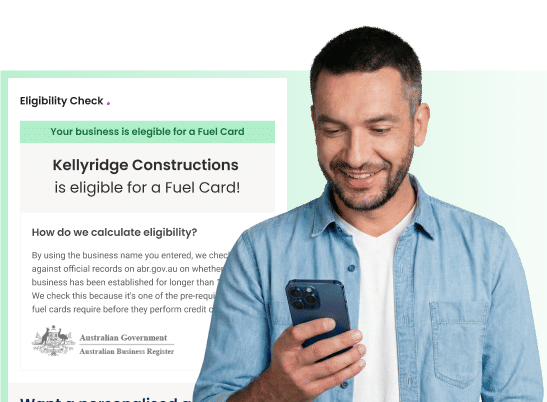
Check if your business is eligible for a fuel card
Check if your business is eligible for sharper fuel card discounts in 2026. Answer a few quick questions about your litres, vehicles and where you drive, and see which cards could cut your fuel costs the most.
Enquire to save