



The best fuel cards in Australia help you cut fuel costs, tighten control over driver spend and reduce admin, not just chase headline discounts.
If you own a business in Australia, you’ll know the financial and time‑consuming headache that comes with fuel expenses and admin. Personally, I don’t think it needs to be as painful as it often is, especially when you’ve got fuel cards designed to do the heavy lifting for you.
Whether you’re running one ute or a growing fleet, your bottom line can benefit from business fuel cards that trim costs and smooth out day‑to‑day operations. The challenge is that Australia has a stack of different fuel card brands, each with their own fees, discounts and quirks, so it’s not always obvious which one actually fits your business.
I’ve pulled together the fuel cards I most often recommend for Australian businesses to help you cut through the noise and find a genuine match.
Enquire to save

Best Fuel Cards Australia Overview
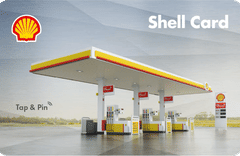
- Best for card controls and smart alerts: Shell Card – some of the strongest spend controls I’ve seen, with per‑card limits, purchase restrictions and real‑time smart alerts through the Shell Card Portal.
- Best for tradies and mixed job sites: WEX Motorpass – accepted at roughly 93% of fuel sites and a wide network of service/repair partners, so you can fill up almost anywhere between jobs.
- Best for diesel‑heavy transport fleets: AmpolCard – strong fixed discounts on diesel and premium fuels, truck‑friendly network and Everyday Rewards earning on fuel.
- Best for new and smaller businesses: 7‑Eleven Fuel Card and Shell Card – simple terms, sharp intro offers and, in Shell’s case, no long trading‑history requirement
- Best for flexiblity: FleetCard – multi‑brand coverage at over 6,000 sites plus thousands of non‑fuel merchants, ideal if you want one card that works almost everywhere.
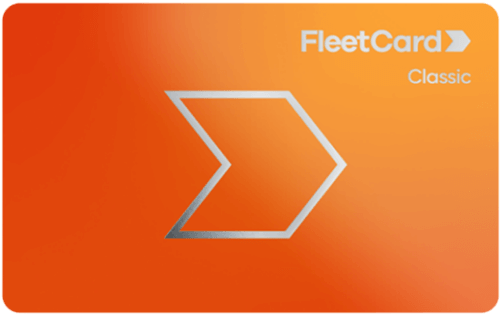
The FleetCard sits at the premium end of fuel cards suited to businesses that don’t want to be restricted to using one fuel station, and it’s packed full of features. The card has been designed with user flexibility and convenience in mind with the ability to access over 90% of fuel stations Australia wide and over 6,000 non-fuel merchants, many of which have their own exclusive discounts on.
What this means for a driver / employee is assurance that everything is taken care of while they’re on the road – from fuel and oil to repairs. From a management perspective, these benefits can be monitored, controlled and restricted at a card level. As everything is charged to the one card, it also means countless admin time saved.
Like its competitor WEX, Fleet Card has had its share of criticisms from past customers which stem from promotional offerings that make it seem like less money will be spent overall through direct fuel discounts, which sadly isn’t the case for a premium offering.
Need to know: Transaction fees, pump discounts and monthly card fees are subject to change after the promo period ends. Fleet Card says it informs customers 30 days prior to any changes being made.
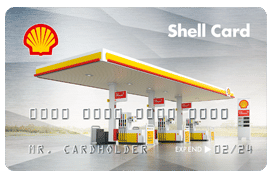
With access to over 1,250 sites, the Shell Card Fuel Card is an excellent choice for Australian businesses that already use Shell-branded fuel stations. It’s also the ideal card for new businesses as there is no minimum time you need to be in business before applying, whereas most other major fuel cards require you to have an ABN for at least a year or two.
Shell Card has some of the strongest control features in the market thanks to its online portal and smart alerts that let you manage each card in detail. You can set spend, volume and transaction limits per card, restrict what can be purchased and when, and receive real‑time email alerts if anything looks out of pattern, giving you tight control over driver spend and fast fraud detection.
Need to know: You can also earn Flybuys points every time you fill up at Shell Coles Express and choose from a range of rewards when it’s time to redeem them. Not to mention come tax time there’s no need to worry about lost fuel receipts, with the Shell Card offering a single tax invoice and statement making it easier to track every fuel purchase.
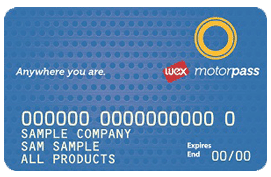
When it comes to true multi-branded fuel cards, there are two real contenders. WEX Motorpass Fuel Card is one of them. They have designed their offering to target businesses that enjoy card flexibility over the small pump discounts competitors offer by packing it full of features.
When on the road and getting from job to job as a tradie being able to fill up anywhere is essential. If you choose a single brand fuel card, then you’re wasting time by trying to find that specific fuel station and therefore risk running late to the next job. It’s not worth the risk when you can choose a multi-brand fuel card and know you can fill up at the first station you see on your route from job to job.
Need to know: Most of the negative reviews from WEX Motorpass customers seem to stem from customer support issues, and promotional offerings where they have made it seem like fuel cards means you’ll spend less money overall, which sadly isn’t the case. Recently, however, WEX has been upfront about their additional fees, with everything outlined on their website. Overall, the WEX Motorpass Fuel Card offers plenty of flexibility, including what and how you can use the card.
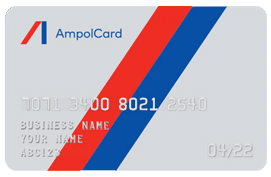
Previously known as the Caltex StarCard prior to transitioning to the Ampol brand, the AmpolCard is a corporate fuel card for Australian businesses, helping you cut your fleet’s fuel costs by up to 4 cents per litre on premium Amplify 98 fuels, as well as 2 cents per litre off regular petrol or diesel. Not to mention you can receive 10% off packaged engine oils and 5% off convenience items at certain Ampol stations.
With 1,900 service stations across the country (including Woolworths Metro and Foodary outlets, in addition to 240 trucks stops) you can easily find an Ampol station near you (you can also the AmpolCard at Caltex Caltex locations that haven’t transitioned to the Ampol brand yet).
Need to know: Ampol also offers AmpolCash, which is a prepaid fuel card that’s similar to a gift card. AmpolCash is available to buy from participating Ampol service stations. You can also order AmpolCash online as either the Classic (physical) card or as a digital card that can be instantly downloaded to your smartphone for cardless payments. It can be purchased in multiple denominations of $25, $50, $100, $250 and $500.
What to Consider When Choosing a Fuel Card
When you’re choosing a fuel card, there are a few big levers to think about: where you can fill up, how flexible you want the card to be, how much admin time you’re trying to claw back – and, increasingly, how tightly you can control and monitor spend to prevent misuse. Many fleet owners I speak to now care just as much about card limits and alerts as they do about cents‑per‑litre discounts.
For example, I often recommend FleetCard for businesses that value flexibility and want one card that works almost everywhere. It’s accepted at over 6,000 fuel sites across more than 90% of the network, plus thousands of non‑fuel merchants, so your team can fill up and sort basic vehicle expenses without worrying whether their card will be accepted. Yes, it sits at the premium end on monthly fees, but in my experience the trade‑off is drivers spending less time detouring and more time on billable work.
I also pay close attention to how long a business has been trading. Many providers expect at least 12 months with an active ABN, which can knock newer operators out of contention. That’s why Shell Card is often my go‑to for newer or smaller businesses: it doesn’t require a long trading history, keeps its per‑card fee at the lower end, and still gives you access to 1,200+ Shell‑branded sites plus Flybuys reward, on top of strong online controls and smart alerts that help you spot and stop card misuse quickly.
The Benefits of a Fuel Card for Australian Businesses
- Save money. Fuel is a big line item for most businesses, but I’ve found the pump discount story is more nuanced than the brochures suggest. The cents‑per‑litre savings are useful, especially during intro promos, but for smaller fleets they’re only part of the value. Over time, the real financial win often comes from using card controls and good reporting to stop misuse, tighten up routes and reduce “mystery” spend.
- Detailed reporting. Once you’ve got more than a couple of vehicles on the road, trying to build reports from loose receipts gets old fast. I like that modern fuel cards give you breakdowns by card, driver or vehicle so you can see what was bought, where and when in a few clicks. That level of detail makes it much easier to spot patterns, outliers and potential issues before they become expensive habits.
- Track fuel usage (and misuse). When drivers pay with cash or personal cards, you’re relying on everyone to keep every docket and be 100% accurate on reimbursements. With a fuel card, every transaction hits a central statement, and with the right card controls you can go further—limiting what can be bought and getting alerted if something doesn’t look right. This is where Shell Card really stands out for me: its smart alerts and per‑card limits make it much easier to catch odd behaviour early, instead of weeks later at statement time.
- Save you money and time on admin. In practice, the admin savings are often what business owners feel first. Instead of shuffling through crumpled receipts and manual reimbursements, you get a single, clean feed of transactions that’s ready to reconcile or push into your accounting software. Being able to see which drivers are buying more than you’d expect, or filling up more often than their routes justify, can quickly translate into real savings as you tighten things up.
- Simple, ATO‑friendly statements. Come tax time, having all your fuel spend flowing through one account with itemised, GST‑ready statements is a huge relief. Many of the better fuel cards layer in fuel management reports showing things like fuel economy and cost per kilometre, so you’re not building those numbers yourself. When you combine that with strong controls and alerts—again, an area where Shell is ahead of the pack—you end up with a system that not only saves you money, but also gives you the data and oversight you need to run a tighter, more efficient fleet.
All-Brand Versus Single Brand – What’s the Difference?
All‑brand and single‑brand cards both have a place; it mostly comes down to coverage versus price.
| Card type | Where it works | Typical strengths | Typical drawbacks |
|---|---|---|---|
| All‑brand | Most fuel brands Australia‑wide | Maximum flexibility, peace of mind on routes | Higher fees, usually smaller discounts |
| Single‑brand | One main brand (plus some partners) | Better discounts, lower fees, fewer surcharges | Less flexible, possible out‑of‑network fees |
If your drivers are all over the map, I lean towards all‑brand cards; if they already stick to one network, single‑brand cards usually give better value.
Credit Cards Vs Fuel Card Vs Prepaid Card
How a fuel card works
A fuel card works like a business credit card dedicated to vehicle costs: your team pays for fuel on the card, everything is billed to one account, and you get an itemised, GST‑ready statement instead of chasing individual receipts.
How a credit card works
A credit card lets you borrow up to a set limit and use it almost anywhere, then repay later with interest and annual fees. The trade‑off is control: fuel cards can be locked down to fuel and car‑related purchases, often with discounts and detailed reporting, while a general credit card is much harder to police and doesn’t usually give fuel‑specific savings.
How a prepaid card works
A prepaid card is loaded with your own money upfront and then used like a debit card until the balance runs out. It can help cap total spend, but you generally can’t restrict it to fuel or set tight category rules, so you’re back to relying on trust and paper receipts. Fuel cards, by contrast, keep all fuel transactions in one place with clear controls, which makes them much easier to manage for business use.
Which Fuel Card Should You Choose?
Enquire to save
After taking a look under the hood of some of Australia’s best fuel cards for businesses, we hope we’ve made the decision a little easier for you. As you can see, each card has its own unique benefits – but no card is perfect so it’s important you find the right card for you and your needs.
Don’t forget to look closely at the fine print and make sure you have a clear understanding of annual fees, fees at the pump and the additional charges.
Ultimately – the only person who can decide which fuel card is right for your business is YOU. After all, no one knows your fleet better than you do. The right fuel card deal will be seamless for your team to use, will save you money and will give you the data you need to grow your business.
RELATED POSTS
- Is A Fleet Card Fuel Card the Right Choice For Your Business?
- Everything You Need to Know As a Sole Trader Applying for a Fuel Card
- Comparing The Differences Between Fuel Cards & Prepaid Cards For Business Fuel Expenses